

The Florida Keys National Marine Sanctuary, long impacted by environmental degradation, is approaching a significant juncture. The National Oceanic and Atmospheric Administration (NOAA) announced today the release of the final environmental impact statement (FEIS) and management plan for the sanctuary's Restoration Blueprint. These documents lay the foundation for regulatory changes that aim to restore the region’s ecosystems. The final rule, which incorporates these changes, is set for publication in January 2024.
Matt Stout, Acting Superintendent of the sanctuary, emphasized the transformative nature of the Blueprint: “The end is in sight, but it’s really a new beginning. The Restoration Blueprint represents solutions developed through over a decade of research, technical expertise, collaboration with partner agencies, and public feedback.”
Key Provisions in the Restoration Blueprint
The finalized Blueprint outlines a comprehensive set of measures intended to balance environmental conservation with sustainable use of the sanctuary’s marine resources. Key recommendations include:
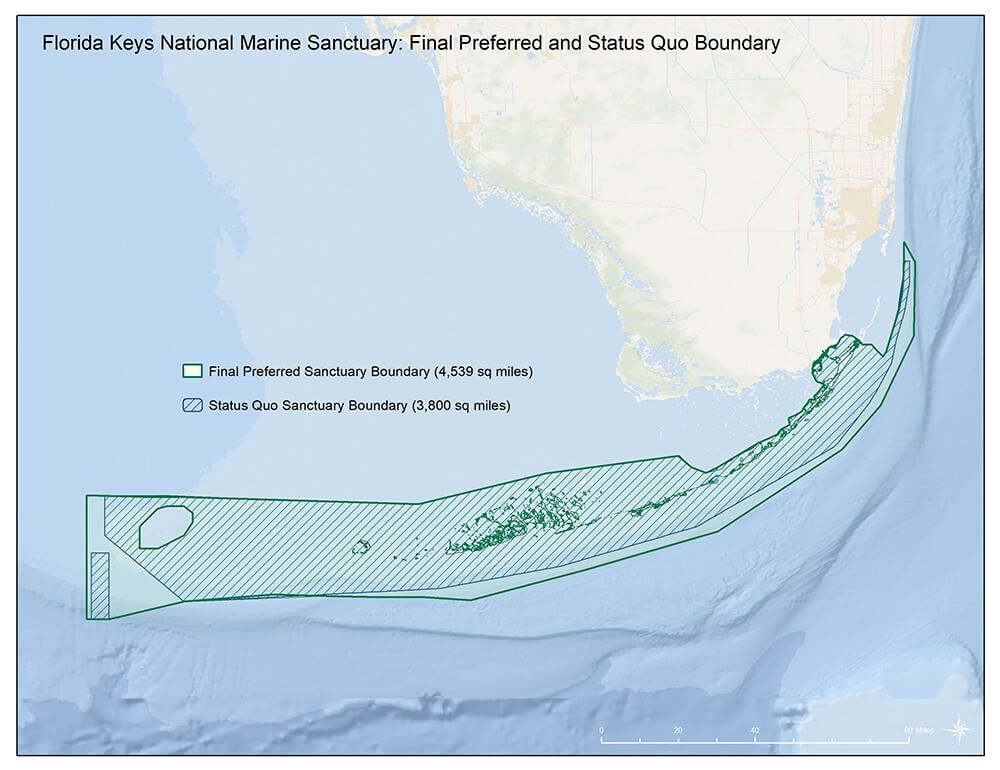
Sanctuary Boundary Expansion: A 20% increase in the sanctuary’s protected area, aligning with the "Area to Be Avoided," and extending protection to deep-reef habitats critical for fish spawning and lobster populations.
Fishing Regulations: Maintaining fishing access in 95% of the sanctuary while standardizing rules for sanctuary preservation areas. This strategy aims to safeguard coral reefs and provide essential refuge for marine life.
Pollution Controls: Prohibiting cruise ship discharges, apart from cooling water, to protect water quality.
Wildlife Management: Adding 20 wildlife management areas to safeguard seagrass beds and habitats for nesting birds and sea turtles.
Mooring and Anchoring Rules: Requiring the use of mooring buoys in preservation areas and prohibiting anchoring of vessels at risk of becoming derelict to prevent habitat damage.
These measures reflect NOAA’s effort to implement science-based recommendations designed to enhance ecosystem resilience while considering the needs of local communities.
Addressing a History of Ecosystem Decline
The Restoration Blueprint builds on over a decade of research and stakeholder engagement. This effort began in 2011 following a report detailing the deteriorating health of the sanctuary’s ecosystems. Coral reefs, seagrass beds, mangroves, and associated habitats have faced challenges from climate change, hurricanes, disease outbreaks, vessel groundings, and pollution. Declining water quality and overuse by visitors have exacerbated these issues.
Ben Daughtry, Chair of the Florida Keys National Marine Sanctuary Advisory Council, acknowledged the complexity of the initiative: “The Restoration Blueprint isn’t perfect, but it represents 13 years of dedicated effort to improve conditions. Growing up in the Keys, I remember the vibrant underwater ecosystems that once thrived here. This plan is an opportunity to restore these habitats for future generations.”
Supporting Habitat Restoration and Conservation
The Blueprint introduces two new zone types to support restoration efforts:
Nursery Restoration Areas: These zones focus on coral propagation and require the highest level of protection to ensure successful growth and transplantation.
Habitat Restoration Areas: Sites for active restoration, including transplanting corals and other marine organisms.
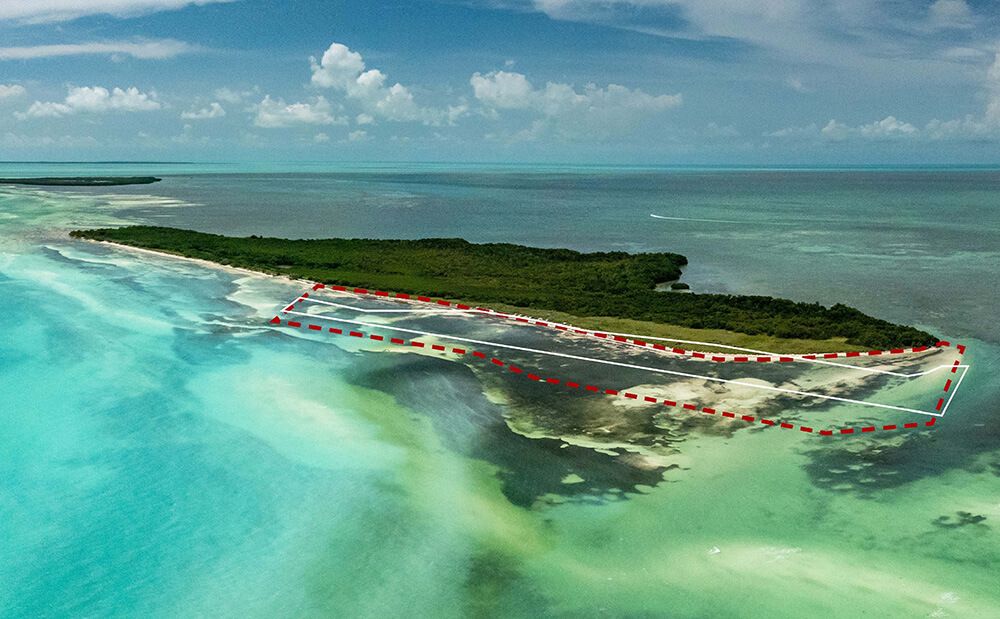
Additional measures, such as the enlargement of “no entry” zones like the one at Woman Key, aim to provide buffers for sensitive species, including turtles and historically significant bird populations.
Economic and Community Impact
The health of the sanctuary is intricately linked to the economy of the Florida Keys. According to Rockport Analytics, marine-related tourism contributed approximately $2.4 billion to the local economy in 2018, accounting for 44% of jobs in Monroe County. Maintaining a healthy marine environment is critical for sustaining tourism and commercial activities.
Local officials have expressed strong support for the Blueprint. Monroe County Mayor Holly Raschein emphasized the importance of collective action: “The ocean and coral reefs do so much for us. Now it’s our turn to give back by embracing these changes, understanding their significance, and educating others.”
Challenges and Next Steps
The sanctuary faces ongoing challenges, including increased recreational and commercial activity, which has resulted in habitat degradation and reduced water quality. Captain Will Benson, a longtime fishing guide, highlighted these issues: “Increased boat traffic and cruise ship activity have dramatically altered water quality and marine life abundance around Key West. The Blueprint offers a science-based approach to address these concerns.”
Once the final rule is published in January, Florida’s governor will have 45 days to review the regulations. The governor can approve the rules in full, reject them entirely, or issue a line-item veto for components affecting state waters. Upon approval, the Blueprint will become law, marking the start of its implementation.
Looking Ahead
Stout expressed optimism about the sanctuary’s future: “The Restoration Blueprint strikes a balance between protection and sustainable access. It represents a new chapter for the Florida Keys, one grounded in science and collaboration to ensure the long-term health of this unique ecosystem.”